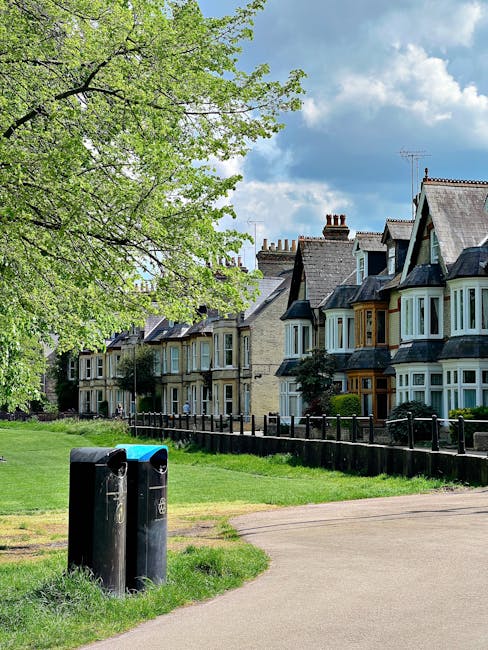
Rubbish clearance Swiss Cottage Frognal local guide
If you are dealing with a pile of unwanted furniture, bagged household waste, old office clutter, or a garden clear-out, a Rubbish clearance Swiss Cottage Frognal local guide should make life easier, not more confusing. That is the aim here. Swiss Cottage and Frognal have their own rhythm: tight residential streets, controlled parking, basement flats, period homes with awkward access, and the usual London reality of "where exactly does this sofa fit, then?"
This guide walks you through how rubbish clearance works locally, what to expect, who it suits, how to compare your options, and where people often trip up. It is written for anyone who wants a clean, sensible, and compliant way to get waste removed without wasting time, money, or patience. Truth be told, that last part matters more than people think.
Whether you are clearing a flat near Finchley Road, emptying a loft in Frognal, or dealing with bulky items after a move, the practical decisions are similar. What needs removing? How quickly? How much space is there for loading? Do you need a permit, a skip, or a man-and-van style collection? Let's sort it properly.
Table of Contents
- Why rubbish clearance in Swiss Cottage and Frognal matters
- How rubbish clearance works
- Key benefits and practical advantages
- Who this is for and when it makes sense
- Step-by-step guidance
- Expert tips for better results
- Common mistakes to avoid
- Tools, resources and recommendations
- Law, compliance, standards, or best practice
- Options, methods, or comparison table
- Case study or real-world example
- Practical checklist
- Conclusion
- Frequently asked questions
Why Rubbish clearance Swiss Cottage Frognal local guide Matters
Rubbish clearance is not just about getting rid of things. In a busy part of North West London, it affects access, timing, neighbours, safety, and the overall feel of a property. A front hall full of broken furniture or a side return packed with builder's debris can quickly become more than a nuisance. It can block access, create trip hazards, and make a home or workplace feel chaotic.
Local knowledge matters because Swiss Cottage and Frognal are not the same as a wide-open suburban street with easy parking. Many properties have limited frontage, shared access, or resident permit zones nearby. If you have ever watched a crew try to manoeuvre a bulky wardrobe down narrow stairs while a neighbour's car is inching past, you will know why planning matters. It is all rather ordinary until it isn't.
A good local approach also matters for waste handling. Different waste streams need different treatment: general household rubbish, green waste, electrical items, mattresses, inert rubble, confidential paperwork, and hazardous materials all require thought. Good clearance services sort, separate, and dispose of items responsibly. That is better for the environment and, frankly, better for your peace of mind.
For many households and businesses, the bigger question is not whether to clear waste, but how to do it efficiently. That is where this guide helps. It gives you a way to think clearly about volume, access, compliance, and value before you book anything.
How Rubbish clearance Swiss Cottage Frognal local guide Works
In simple terms, rubbish clearance means a team collects unwanted items from your property and removes them for sorting, reuse, recycling, or disposal. Depending on the provider and the job, the process can be as quick as a same-day collection or as structured as a pre-booked property clearance with multiple loaders and sorting steps.
Most local rubbish removal jobs follow a pattern:
- You describe the waste - usually by phone, message, or online booking. Photos help a lot. A picture of a bedroom full of bags tells a clearer story than "just a few bits".
- A quote or estimate is given - this may be based on volume, item type, labour, access, and disposal requirements.
- A collection time is arranged - often with flexible slots for busy London streets and residential blocks.
- The team arrives and assesses access - stairs, lifts, parking distance, and loading route all affect the job.
- Items are removed and loaded - careful crews will separate recyclables and handle heavier items safely.
- Waste is taken away for processing - sorting, recycling, reuse, transfer, or disposal depending on the material.
That sounds straightforward because, most of the time, it is. The difficulty comes from the details. A boxed-up loft clearance is very different from removing wet garden waste or dismantling broken office furniture from a top-floor flat. Access can change everything.
If your project involves building work or heavier debris, related services such as builders waste removal, construction waste clearance, or even grab lorry hire may be more suitable than standard domestic collection. Picking the right method early saves hassle later. It really does.
Key Benefits and Practical Advantages
The biggest advantage of professional rubbish clearance is speed. When a room, driveway, or office area is cluttered, a good team can restore usable space quickly. That matters if you are moving, renovating, letting a property, or simply want your place back to normal before the weekend.
Other benefits are a bit less obvious, but just as important:
- Less physical strain - heavy lifting, awkward angles, and repeated trips downstairs are hard work.
- Better sorting - waste can be separated for recycling rather than bundled together carelessly.
- Cleaner finish - professional removal often includes sweeping up after loading, which is a small thing until you need it.
- Reduced disruption - a quick load-out can be less disruptive than leaving a skip outside for days.
- Flexible for tight access - in streets where skip placement is awkward, loaded removal can be a better fit.
There is also the stress factor. Let's face it, many people do not dislike clearing rubbish because of the rubbish itself. They dislike the decision fatigue. What goes where? What can be donated? What needs special handling? What is safe to lift? Having a clear process cuts through that fog.
For households, that can mean reclaiming a spare room, clearing a post-renovation mess, or dealing with an overflowing garage. For businesses, it can mean getting an office ready for staff, removing old archive boxes, or clearing stock and packaging. Services like house clearance, office clearance, and garage and loft clearance are often the practical answer when the job is bigger than a few bin bags.
Who This Is For and When It Makes Sense
This guide is useful if you are in Swiss Cottage, Frognal, or nearby and you need waste removed from a home, flat, office, rental property, shop unit, or construction site. That could mean a one-off clearance or an occasional service after a move, refurbishment, or declutter.
Common situations include:
- Moving house - the moment you realise that old wardrobe is not coming with you, even if it has sentimental value and one wobbly leg.
- End of tenancy - landlords and tenants often need fast clearing between occupancies.
- Renovation or DIY - plasterboard, wood offcuts, packaging, tiles, and broken fittings build up quickly.
- Garden overhauls - branches, soil, hedge cuttings, and plant waste can fill more space than expected.
- Loft, cellar, or garage resets - these areas become storage magnets. Somehow everything ends up there.
- Office changes - desks, monitors, paper waste, confidential documents, and old furniture may need proper handling.
It also makes sense if access is awkward. In Frognal and nearby streets, you might be dealing with narrow entrances, basement stairs, controlled parking, or a loading bay that is only available at certain times. A skip is not always the best answer. Sometimes a quicker collection is simply the smarter one.
If you are unsure whether your waste suits a standard collection, compare it against dedicated options such as mattress and sofa disposal, fridge and appliance removal, or hazardous waste disposal. Special items often need special handling. No mystery there.
Step-by-Step Guidance
If you want a smooth clearance, do a little prep first. It need not become a big production. A calm half-hour before collection can save an hour of back-and-forth on the day.
1) Identify exactly what needs removing
Separate items into piles: keep, donate, recycle, rubbish, and special waste. This makes it easier to judge volume and gives the clearance team a clearer brief. A mixed pile of "stuff" is where estimates start to drift.
2) Check access carefully
Measure doorways if the job includes bulky items. Look at stair turns, lift sizes, parking distance, and whether there is a loading restriction outside. In London, access is often the hidden variable. It can be the difference between a quick job and a slightly awkward one.
3) Photograph the waste
Take a few clear pictures from different angles. Include the size of larger items and any awkward access points. Photos help a provider estimate labour and vehicle space more accurately. They also reduce misunderstandings. Which is nice, because nobody enjoys those.
4) Ask what happens to reusable items
Some waste can be reused or recycled, and some should be kept separate. If you have items in decent condition, it is worth asking whether the service sorts donations or recyclable material separately. Even when you are simply clearing clutter, a better route is often possible.
5) Confirm pricing structure
Make sure you understand how the quote works. Is it based on load size, weight, labour time, item type, or a combination? If extra charges might apply for stairs, heavy lifting, or special waste, ask up front. A transparent conversation now is better than a surprise later.
6) Prepare the route
Move small items out of the way and clear a path to the front door, hallway, or lift. If you can safely group waste near the exit, you help the team work faster and more neatly. Just do not block shared spaces or compromise safety to do it.
7) Be ready for final sorting on site
Good crews often separate items as they load. Be available to answer questions about what stays and what goes. A quick decision at the door is better than a long delay halfway through the job.
That is the basic flow. Fairly simple, but surprisingly effective.
Expert Tips for Better Results
Small choices make a big difference. After plenty of clearance jobs, the same patterns keep showing up.
- Group similar materials together - wood with wood, cardboard with cardboard, green waste with green waste. Sorting becomes easier and can help with recycling.
- Keep hazardous items separate - paints, solvents, batteries, chemicals, and certain electricals may need specialist treatment.
- Disassemble what you safely can - flat-pack furniture, shelving, and bed frames often take up far less space when broken down.
- Label anything you want to keep - old storage rooms are notorious for accidental losses. A bit of tape saves grief.
- Book for a sensible time of day - morning slots often help with parking, building access, and avoiding the late-day rush.
- Share the awkward details early - basement stairs, no lift, permit zones, shared entrances, or concierge rules all matter.
One practical tip that often gets overlooked: decide in advance what you are not ready to throw away. People sometimes make rushed choices during a clearance and regret it later. A one-minute pause can save a good item from the pile. Sounds obvious, but there you go.
If your job includes waste from a larger clear-out or renovation, it may help to compare services such as site clearance, demolition waste removal, or waste recycling services. The right service choice usually depends on volume, speed, and access rather than just price.
Common Mistakes to Avoid
Most clearance problems are avoidable. That is the good news. The bad news is that people keep making the same few mistakes because they seem small at the time.
- Underestimating volume - the spare room always looks smaller once everything is gathered together.
- Forgetting access constraints - a job that looks simple on paper can become awkward if parking is a block away.
- Mixing restricted waste with general rubbish - certain items need separate treatment and should not be buried in mixed loads.
- Not checking what is included - some quotes include labour and disposal, others do not. Read carefully.
- Leaving fragile items unprotected - if you are sorting before collection, wrap mirrors, glass, and sharp items safely.
- Rushing important decisions - if you are clearing a relative's property or an office archive, take a moment before you bin anything sensitive or valuable.
One thing that catches people out is mixed household and business waste. If an office clearance includes confidential paperwork, that should be handled differently from old chairs or packaging. For that side of the job, confidential shredding can be relevant and reassuring.
Another common error is thinking every project needs the same method. Not true. A garden clear-up, loft clearance, and builder's rubble removal are different tasks. Treating them all the same is a quick route to overpaying or under-planning.
Tools, Resources and Recommendations
You do not need specialised equipment to prepare for rubbish clearance, but a few everyday tools make the job easier.
- Heavy-duty bin bags - useful for loose household waste and light clear-out material.
- Gloves and sturdy footwear - basic, but worth it when handling sharp edges or dirty packaging.
- Tape and marker pens - for labelling keep, donate, and remove piles.
- Basic hand trolley or sack barrow - helpful if you are moving items from a back room or cellar.
- Phone camera - simple, but one of the best tools you have for sharing accurate job details.
- Measuring tape - especially useful for large furniture and access points.
For service planning, a few website pages can help you compare the type of collection you need. You might look at rubbish removal for general clearance jobs, man and van for flexible loading support, or domestic skip hire if you have space and time for a skip-based solution.
If you are trying to understand what can and cannot be loaded, the page on what can go in a skip is especially useful because item restrictions often shape the whole plan. A little checking now beats a failed collection later. No one wants that little moment of "ah, right..." on the kerb.
Law, Compliance, Standards, or Best Practice
Rubbish clearance in the UK should be carried out responsibly, with waste taken only by appropriate handlers and sent to permitted facilities. You do not need to be a legal expert to make a good decision, but you do need to choose services that follow proper waste management practice.
A few principles are worth keeping in mind:
- Duty of care matters - waste should be handled, transported, and disposed of responsibly.
- Special items may need special treatment - electricals, appliances, mattresses, and hazardous materials are not all the same.
- Fly-tipping risk is real - if something sounds too cheap or too casual, pause and ask where the waste goes.
- Permissions may be needed for roadside skips - if a skip sits on public land, permits can come into play.
- Insurance and safety should not be an afterthought - particularly for heavy lifting, access challenges, or commercial jobs.
For skip-based projects, pages such as skip permits and skip hire permits are useful because they flag the practical side of placing a skip on or near a public highway. That is the sort of detail that can derail a plan if ignored.
Best practice also means choosing a provider with clear policies on safety, security, and recycling. If those details matter to you, take a look at health and safety policy, insurance and safety, and recycling and sustainability. These pages are not just formalities; they help you judge whether the operation is organised properly.
Options, Methods, or Comparison Table
Different jobs need different tools. The "best" solution depends on access, timing, load size, and how much sorting you want to do yourself. A quick comparison can help.
| Method | Best for | Main advantages | Possible drawbacks |
|---|---|---|---|
| Rubbish removal / man-and-van collection | Household clear-outs, bulky items, mixed waste, tight access | Fast, flexible, little disruption, usually better for awkward streets | May cost more for larger volumes than a skip |
| Skip hire | DIY, renovation waste, projects over a few days | Useful when you can load at your own pace | Needs space; permits may be needed; can take up road space |
| Wait-and-load | Roadside areas with little parking or short stopping windows | No skip left behind, often efficient in busy locations | Requires timing and quick loading |
| Grab hire | Large amounts of soil, rubble, or bulky construction waste | Handles heavy loads well, fast for bigger clearances | Access and clearance space need checking |
| Specialist removal | Appliances, confidential waste, hazardous items, furniture | Better compliance and safer disposal | Often needs item-specific booking |
For many Swiss Cottage and Frognal properties, rubbish removal or wait-and-load is a better fit than a traditional skip, especially where parking is tight or access is shared. For heavier projects, builders skip hire or wait and load skip hire may be more practical. It depends on the job, not the habit.
Case Study or Real-World Example
Here is a realistic example based on the kind of clearance job people often face in this area.
A couple in a Frognal flat were preparing for a renovation and needed to clear an overstuffed spare room, a broken sofa, several bags of mixed clutter, and an old chest of drawers. The access was awkward: a first-floor flat with a narrow stairwell, limited parking, and no lift. A skip outside would have been possible, but not ideal. They also wanted the work finished in a single visit because trades were due the following morning.
They started by sorting the room into keep, donate, and remove piles. They photographed the load, measured the widest items, and checked whether the sofa could be taken apart safely. A quick review showed that a standard rubbish removal service would be easier than a skip because the team could carry items directly out and load them without leaving anything on the street.
On the day, the crew arrived with a clear briefing. The heavier furniture went first, then bagged waste, then the smaller loose items. A final sweep left the room ready for decorating. Nothing dramatic. No fuss. Just a good, efficient clear-out that saved the homeowners from spending half the day dragging things down the stairs.
Expert summary: For tight-access properties in Swiss Cottage and Frognal, the best clearance solution is often the one that matches the street, the stairs, and the timescale - not simply the one that sounds cheapest at first glance.
That's the real lesson. A neat, well-planned collection is worth more than a bargain that turns into a headache.
Practical Checklist
Use this checklist before you book or on the morning of collection:
- Separate keep, donate, recycle, and remove piles.
- Take photos of all waste items and access points.
- Measure large furniture and doorways if needed.
- Check for stairs, narrow hallways, or lift restrictions.
- Confirm whether any items need specialist disposal.
- Ask how pricing is calculated.
- Clarify whether labour, disposal, and loading are included.
- Move fragile items and valuables out of the way.
- Make sure parking or access arrangements are realistic.
- Keep hazardous, sharp, or confidential items separate.
- Be available for any quick decisions during collection.
- Review the finished area before the team leaves.
If your job involves business waste, you may also want to consider commercial skip hire or office clearance depending on how much material is involved and how quickly it needs to go. Different jobs, different rhythm.
Conclusion
Rubbish clearance in Swiss Cottage and Frognal works best when it is planned around the real-world details: access, waste type, timing, and disposal method. That sounds simple enough, but it is where a lot of people save time, money, and stress by thinking a step ahead. A short conversation, a few photos, and a clear idea of what needs removing can make the whole job smoother.
If you are clearing a home, office, garden, loft, or renovation space, the best next move is to match the service to the job rather than forcing the job to fit the service. That one change usually makes everything feel easier. And in a part of London where space is precious and schedules are tight, easier is worth a lot.
Get a free quote today and see how much you can save.
And if you are still deciding, that is fine too. A good clearance plan is often just a calm first step, not a giant leap.
Frequently Asked Questions
What does rubbish clearance in Swiss Cottage and Frognal usually include?
It usually includes collection, loading, transport, and disposal of unwanted items such as household rubbish, furniture, bags of clutter, garden waste, and some bulky items. Exact inclusions depend on the provider and the type of waste.
Is rubbish removal better than skip hire for tight-access streets?
Often, yes. If parking is limited, roads are narrow, or you do not want a skip left outside, rubbish removal or wait-and-load can be more convenient. A skip may still suit longer DIY projects where you can load over several days.
How do I know which service I need?
Start with the waste type and the access situation. General clutter, furniture, and mixed household items often suit rubbish removal. Heavy rubble or soil may suit grab hire or skip hire. Specialist items need specialist handling.
Can I put everything in one collection?
Not always. Some items, such as hazardous materials, certain electricals, or confidential paperwork, may need separate handling. It is best to mention everything in advance so nothing is missed.
How should I prepare before the team arrives?
Sort your items into keep and remove piles, take photos, clear a path, and make sure access is workable. If there are stairs, lift issues, or parking restrictions, mention them early.
What happens to the waste after collection?
It is usually taken to a transfer or processing facility where it can be sorted for recycling, reuse, or disposal. Responsible services try to divert as much as practical away from landfill, depending on the material.
Do I need a permit for a rubbish collection?
Usually not for a standard collection that is loaded directly from your property. Permits are more commonly relevant for skips placed on public land or in some roadside situations.
How long does a typical clearance take?
It depends on the volume, access, and item types. A small flat clearance might be completed quickly, while a larger house or office clearance can take longer. Photos and a clear description help with planning.
Is it worth separating recyclable items myself?
Yes, if you have time. Keeping cardboard, metal, green waste, and reusable items separate can make the job tidier and may support better recycling outcomes. But do not overcomplicate it if the service will sort on site.
Can you clear appliances like fridges and washing machines?
Yes, but they often need specific handling because of size, weight, or internal components. Dedicated appliance removal is usually the safer option for those items.
What should I do with a sofa or mattress?
Large furniture often needs item-specific removal because of its bulk and the way it is handled during loading. Sofa and mattress disposal services are useful when you want the job done cleanly and quickly.
How can I avoid paying for more than I need?
Take clear photos, describe the access honestly, and sort items before collection. The more accurate the initial information, the more likely your quote will reflect the real job rather than a guess.
Is same-day rubbish clearance realistic?
Sometimes, yes, especially for straightforward jobs and when the schedule allows. Same-day collection is more likely when access is simple, the load is clearly described, and the provider has availability.
What if I am clearing a property after a long period of storage or hoarding?
Take it slowly and break the work into sections. Larger or more sensitive clearances may need a careful approach, especially where access, sorting, or emotional strain is involved. A paced plan is often better than trying to do it all at once.